
4 Scenic Train Trip Myths That Keep Travelers From Enjoying the Ride
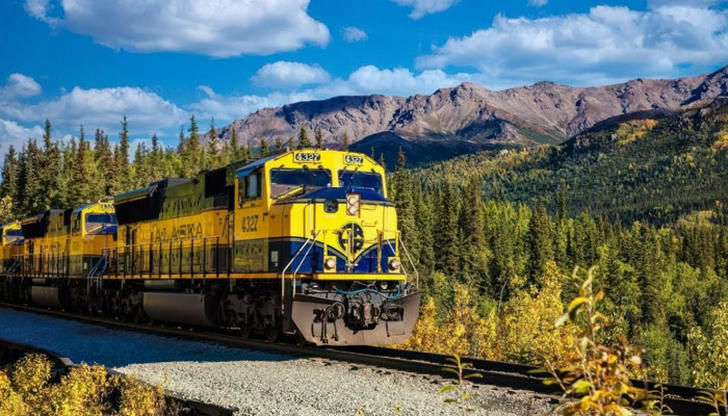
Train travel can make a vacation feel calmer from the first mile.
Instead of focusing on traffic, airport lines, or rental car details, you can watch mountains, coastlines, small towns, and forests pass by from your seat. A good scenic train route does more than move you from one place to another. It makes the journey part of the experience.
1. Mountain Train Routes for Big Views
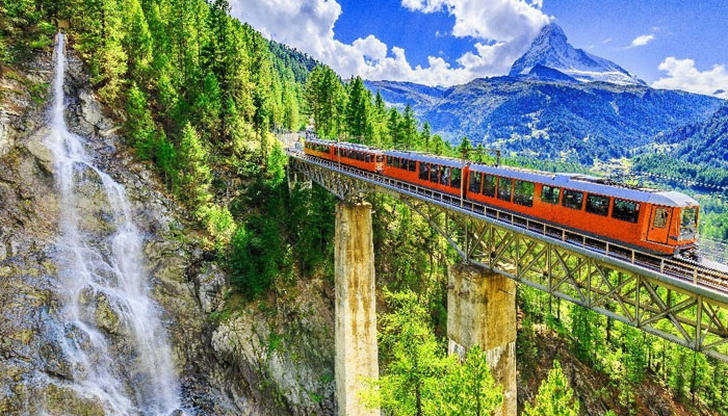
Mountain train trips are a great choice for travelers who want dramatic landscapes without the pressure of mountain driving.
- Route idea: The California Zephyr, especially the stretch through Colorado and Utah, is often loved for mountain views, canyons, rivers, and wide-open western scenery. Heritage routes such as the Cumbres & Toltec Scenic Railroad can also offer a slower, old-fashioned mountain rail experience.
- What you may see: Forested slopes, rocky cliffs, river valleys, tunnels, bridges, and changing elevations.
- Best for: Photographers, slow travelers, couples, retirees, and anyone who enjoys big landscapes from a comfortable seat.
- What to note: Try to choose daytime travel for the most scenic sections. If the route is long, check whether the best views happen before dark.
Mountain routes are especially enjoyable because the scenery changes gradually. One hour may bring open plains, while the next brings high ridges or deep valleys. For travelers who like nature but do not want to drive winding roads, this kind of train trip can feel both relaxing and memorable.
2. Coastal Train Trips Along the Water
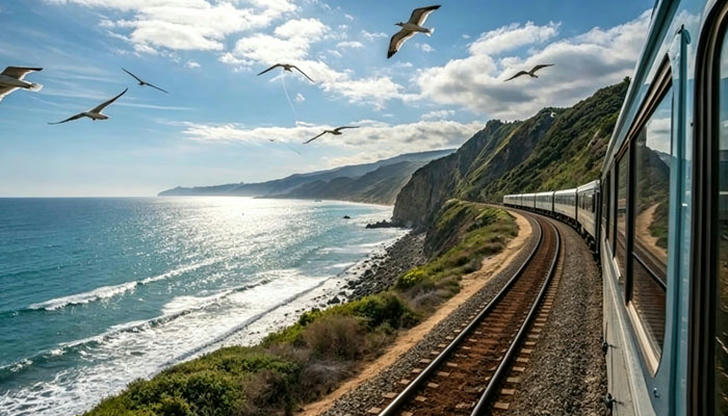
Coastal train trips are ideal for travelers who find water views calming. A route that follows the ocean, a bay, or a large lake can make even a short ride feel like a real getaway.
- Route idea: The Coast Starlight between Seattle and Los Angeles is one of the best-known West Coast train routes, with sections that include coastal views, forests, valleys, and mountain scenery.
- What you may see: Oceanfront stretches, beaches, harbors, cliffs, bridges, coastal towns, and wide water views.
- Best for: Weekend travelers, couples, relaxed vacationers, and people who want scenic views without a packed schedule.
- What to note: On some routes, one side of the train has better views than the other. Seat selection may matter if you want more time facing the water.
Coastal routes work well as part of a larger trip. You can connect major cities, stop in smaller towns, or simply enjoy the ride as a scenic break. The movement of the train and the openness of the water create a slower pace that feels very different from a highway drive.
3. Small-Town Train Getaways
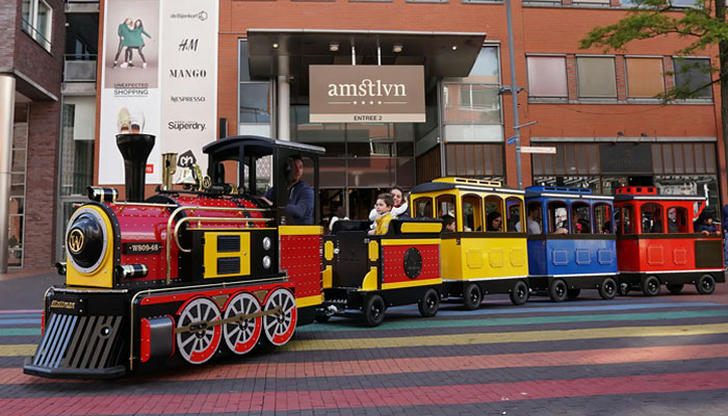
A small-town train trip is perfect when you want an easy escape without overplanning. Instead of building a complicated itinerary, you can arrive by train, explore a walkable downtown, stay one night, and return the next day.
- Route idea: Northeast routes such as the Ethan Allen Express or Adirondack can connect travelers with towns, lakes, historic areas, and relaxing scenery.
- What you may see: Small stations, main streets, rivers, farms, historic buildings, local shops, and quiet neighborhoods.
- Best for: Travelers who like cafes, antique stores, local restaurants, easy walking, and fewer crowds.
- What to note: Choose a destination where the station is close to the downtown area or where taxis, rideshare, or local transit are easy to find.
Small-town train getaways are especially good for people who do not want the stress of parking or city traffic. The trip can feel simple: ride in, walk around, enjoy a meal, visit a local shop, and slow down. This style of vacation is less about checking off famous landmarks and more about enjoying a place at a comfortable pace.
4. National Park and Nature-Focused Train Trips
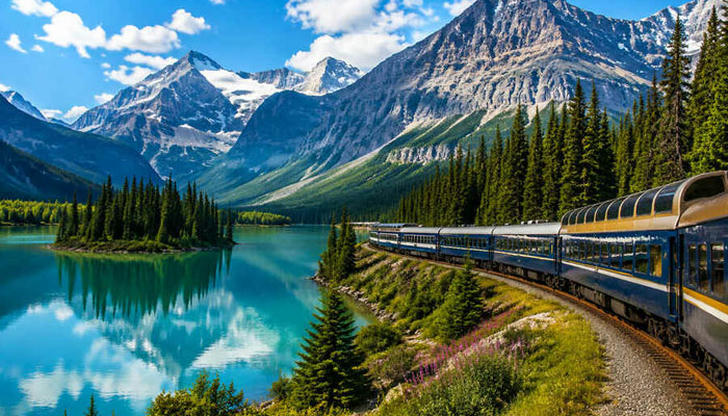
Some train routes can bring travelers close to national parks, forests, canyons, or scenic regions. Even when the train does not go directly into the park, it can reduce the amount of long-distance driving.
- Route idea: The Empire Builder is often associated with northern landscapes and access to areas near Glacier National Park. The Grand Canyon Railway is another memorable option for travelers who want a special rail experience connected to a major natural landmark.
- What you may see: Open plains, mountain regions, forests, rivers, canyons, and wide western landscapes.
- Best for: Nature lovers, families, older travelers, and people who want outdoor scenery without planning every mile of a road trip.
- What to note: You may still need shuttles, tours, or a rental car after arrival. Always check station location and local transportation before booking.
Nature-focused train trips are helpful because they make the travel portion feel less tiring. Instead of spending hours behind the wheel, you can rest, read, talk, or simply watch the scenery shift outside the window. For popular park areas, this can make the whole vacation feel easier.
Conclusion
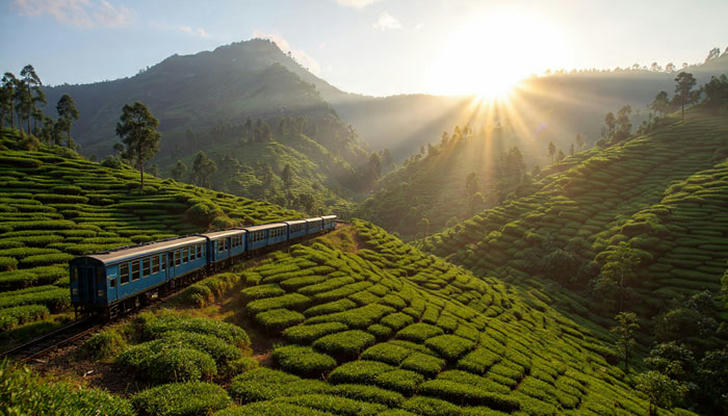
The best route depends on your travel style, schedule, and preferred scenery. Before booking, check the route map, station location, travel time, seat options, and whether the most scenic sections happen during daylight. With a little planning, a train trip can feel less like transportation and more like the first part of the vacation.