
10 Places Everyone Should Visit at Least Once in Their Lifetime!

Travel has a way of changing how people see the world. Stepping into a new place---whether it's a famous landmark, a quiet natural landscape, or a vibrant city---can spark curiosity and create memories that last for years. While every traveler has different interests, some destinations stand out as truly unforgettable. These places combine breathtaking scenery, rich culture, and unique experiences that make them worthy of any travel bucket list.
1. The Grand Canyon, USA
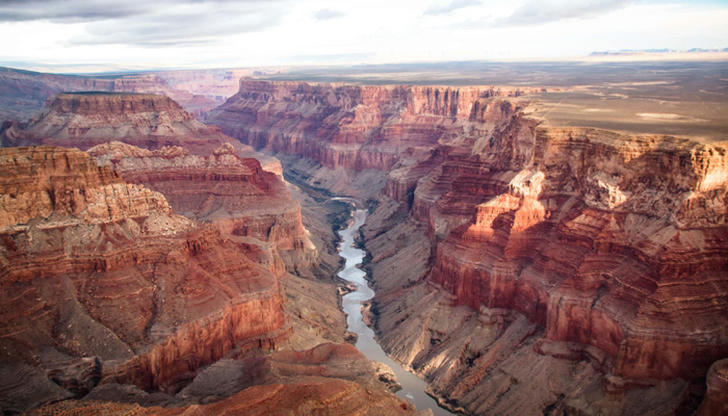
The Grand Canyon is one of the most dramatic landscapes on Earth. Located in Arizona, this massive canyon stretches for 277 miles and reaches depths of more than 6,000 feet, according to the U.S. National Park Service. Carved by the Colorado River over millions of years, the canyon reveals layers of colorful rock that tell the story of Earth's geological history.
Visitors can experience the canyon in many ways. Scenic viewpoints along the South Rim provide stunning panoramas, especially at sunrise and sunset. For those who enjoy adventure, hiking trails such as the Bright Angel Trail offer a closer look at the canyon's rugged terrain. Each year, the park attracts around 5--6 million visitors, making it one of the most visited national parks in the United States.
2. Paris, France

Few cities capture the imagination quite like Paris. Known for its romantic atmosphere and elegant architecture, the French capital has long been one of the world's most popular travel destinations. According to the Paris Convention and Visitors Bureau, the city welcomed over 30 million visitors annually before the pandemic, demonstrating its global appeal.
Iconic landmarks include the Eiffel Tower, the Louvre Museum, and the historic Notre-Dame Cathedral. Visitors often spend hours wandering through charming neighborhoods, relaxing in cafés, or strolling along the Seine River. Paris is also famous for its culinary traditions, from freshly baked croissants to world-class restaurants. This blend of culture, art, and cuisine continues to attract travelers from across the world.
3. The Great Wall of China

The Great Wall of China stands as one of the most remarkable engineering achievements in human history. According to UNESCO, the wall extends more than 13,000 miles across northern China, making it the longest man-made structure ever built.
Originally constructed to defend ancient Chinese states from invasions, the wall winds across mountains, deserts, and grasslands. Walking along sections of the wall offers breathtaking views of the surrounding landscape. Popular areas such as Badaling near Beijing allow visitors to experience the structure comfortably, while other sections remain wild and less restored, offering a more adventurous journey into history.
4. Santorini, Greece

Santorini is one of the most recognizable islands in the Mediterranean. Famous for its white buildings with blue domes perched on volcanic cliffs, the island offers spectacular views of the Aegean Sea. Tourism studies by the Greek National Tourism Organization show that Santorini consistently ranks among the top photographed travel destinations in Europe.
The town of Oia is especially famous for its sunsets, when the sky glows in shades of orange and pink over the caldera. Beyond its scenic villages, Santorini offers volcanic beaches, archaeological sites such as Akrotiri, and local wineries producing unique volcanic-soil wines. The island's beauty and relaxed atmosphere make it a dream destination for many travelers.
5. Machu Picchu, Peru
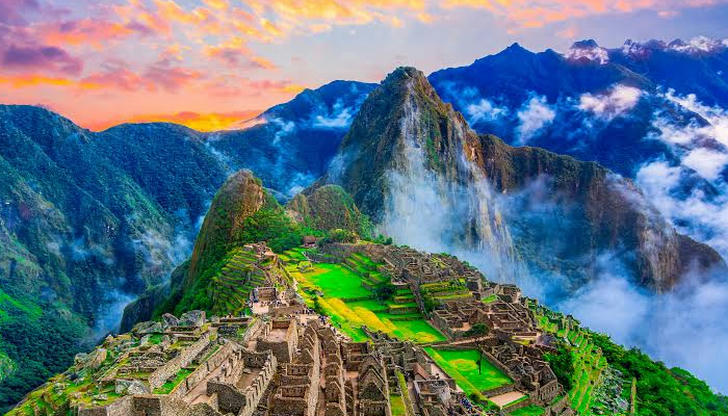
Hidden high in the Andes Mountains, Machu Picchu is one of the world's most fascinating archaeological sites. Built in the 15th century by the Inca civilization, the ancient city remained largely unknown internationally until American historian Hiram Bingham introduced it to the world in 1911.
Today, Machu Picchu is recognized as a UNESCO World Heritage Site and one of the New Seven Wonders of the World. The stone temples, agricultural terraces, and mountain views create a setting unlike any other historical site. Many travelers hike the famous Inca Trail, a multi-day trek that leads through forests and mountain passes before reaching the ruins.
6. The Great Barrier Reef, Australia
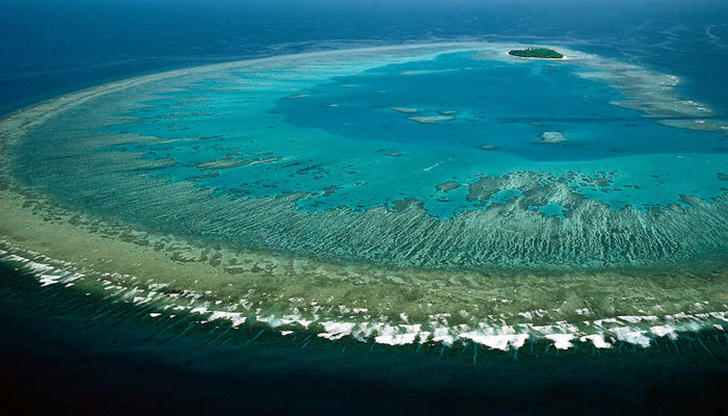
The Great Barrier Reef is the largest coral reef system on Earth. According to the Australian Government's Great Barrier Reef Marine Park Authority, it stretches for more than 2,300 kilometers (about 1,400 miles) and contains over 2,900 individual reefs.
The reef is home to thousands of marine species, including coral, tropical fish, sea turtles, and sharks. Snorkeling and scuba diving allow visitors to see this underwater world up close. Scientists also consider the reef one of the most important ecosystems on the planet, highlighting the need for conservation and responsible tourism.
7. Tokyo, Japan
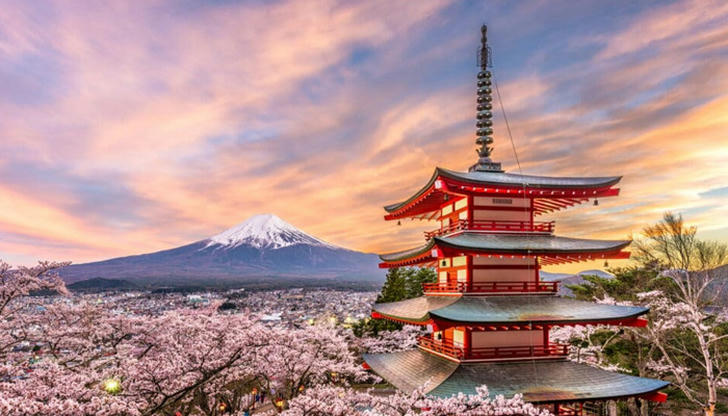
Tokyo offers a fascinating blend of advanced technology and centuries-old tradition. With a metropolitan population of more than 37 million people, the Greater Tokyo Area is considered the largest urban region in the world, according to the United Nations.
Despite its size, the city offers a wide variety of experiences. Visitors can explore traditional temples like Senso-ji, shop in districts such as Shibuya and Ginza, or enjoy world-famous cuisine. Tokyo holds more Michelin-starred restaurants than any other city, reflecting its reputation as a global food destination.
8. The Northern Lights
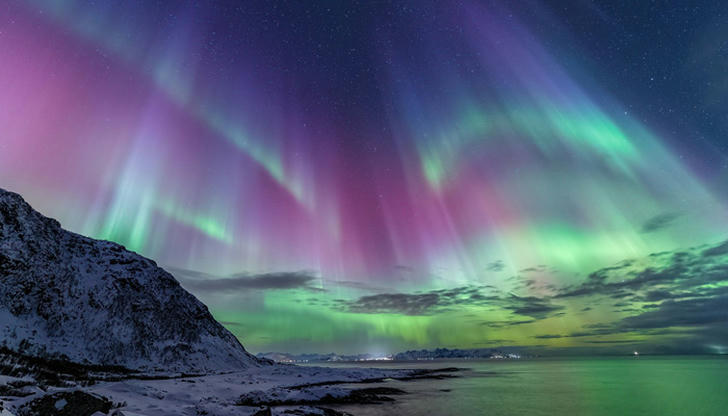
The Northern Lights, or aurora borealis, are one of the most extraordinary natural displays in the world. These colorful lights appear when charged particles from the sun collide with Earth's atmosphere, creating glowing waves across the night sky.
According to NASA, the best chances to see the aurora occur near the Arctic Circle, in places like Iceland, Norway, Finland, and northern Canada. During peak solar activity, the lights can appear in shades of green, pink, and purple. For many travelers, witnessing this natural phenomenon becomes a once-in-a-lifetime experience.
9. The Pyramids of Giza, Egypt
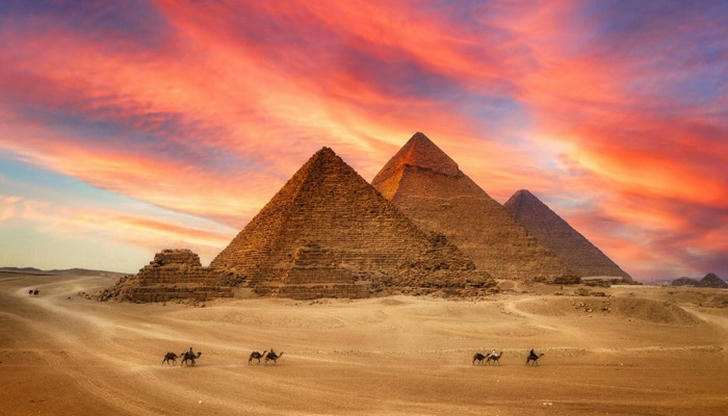
The Pyramids of Giza are among the oldest and most famous structures on Earth. Built more than 4,500 years ago, they remain one of the most impressive achievements of ancient engineering.
The largest pyramid, known as the Great Pyramid of Khufu, originally stood about 146 meters (481 feet) tall. Historians believe it was constructed using millions of limestone blocks. Today, the pyramids attract millions of visitors who come to see these ancient wonders and learn about the civilization that built them.
10. Banff National Park, Canada

Banff National Park in the Canadian Rockies is known for its spectacular mountain scenery and pristine wilderness. Established in 1885, it is Canada's oldest national park and part of a UNESCO-recognized mountain park system.
The park receives over four million visitors each year, according to Parks Canada. Famous locations include Lake Louise and Moraine Lake, where turquoise waters reflect the surrounding mountains. Visitors can hike, canoe, or simply enjoy the quiet beauty of the landscape. Wildlife such as elk, bears, and mountain goats also inhabit the area, making Banff a remarkable destination for nature lovers.