
The First 2 Hours After Landing Survival Strategy

The hardest part of traveling isn't always the flight or the destination. For many people, it's those first couple of hours after landing. You're tired, slightly disoriented, maybe dealing with jet lag, and suddenly you're expected to make a bunch of decisions---money, transport, SIM cards, directions, and more.
That's exactly where mistakes happen.
This guide breaks down a simple, practical "first 2 hours after landing" survival strategy so you can avoid common traps, stay in control, and start your trip on the right foot.
Step 1: Stay organized before you even leave the plane
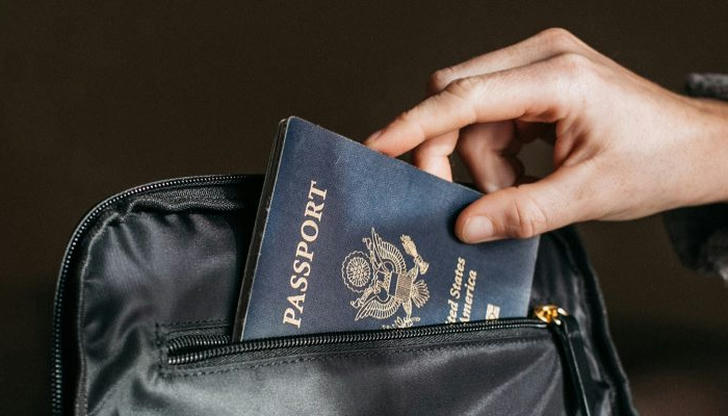
Your arrival experience actually starts before you step off the aircraft. This is the moment to get mentally and practically prepared.
Make sure your essentials are easy to access:
Passport and immigration documents
Phone fully charged (or power bank ready)
Hotel name and address saved offline or screenshot
Any arrival forms filled out if required
It also helps to turn on offline maps before landing. Airport WiFi can be slow or unavailable, and you don't want to be stuck trying to load directions right after arrival.
A small habit like this can instantly reduce stress later.
Step 2: Immigration and baggage claim---slow is smooth, smooth is fast
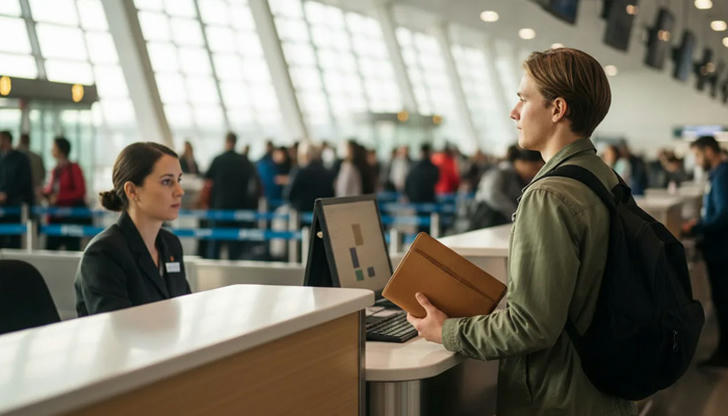
When you enter immigration, the goal is not to rush---it's to stay prepared.
Have your documents ready before you reach the officer. Don't wait until the last second to search your bag or phone.
For baggage claim, a common mistake is zoning out while waiting. Instead:
Stay alert and check conveyor numbers carefully
Take a photo of your luggage tag before your trip (this helps if bags go missing)
If your luggage doesn't appear, go directly to the baggage service desk immediately
Delays happen. What matters is how quickly you respond.
Step 3: Money decisions---don't fall into the airport trap

One of the most expensive mistakes travelers make happens right after landing: currency exchange.
Airport exchange counters are convenient but often offer poor rates.
Here's a simple rule:
Use ATMs for better exchange rates (in most countries)
Avoid exchanging large amounts at airport counters
Be careful of "dynamic currency conversion" when using cards---it often charges more
If possible, withdraw a small amount of cash just to cover transport and basic expenses, then handle larger amounts later in the city.
This small decision alone can save noticeable money.
Step 4: Get connected quickly (SIM or eSIM)

Internet access is not optional anymore---it's essential for maps, transport, and communication.
You usually have two options:
Physical SIM card from airport kiosks
eSIM activated before or after arrival
Airport SIM cards are convenient but not always the cheapest. eSIMs are often easier because you can activate them instantly without waiting in line.
Whatever you choose, make sure you have connectivity before leaving the terminal. It makes everything else---transport, navigation, even safety---much easier.
If nothing else works immediately, download offline maps and rely on them temporarily.
Step 5: Transportation---this is where scams often happen

The exit from the airport is one of the most vulnerable moments for travelers.
You'll likely be approached by drivers or helpers offering rides. Be cautious.
Safer options include:
Official taxi stands inside the airport
Ride-hailing apps (check pricing before confirming)
Pre-booked airport transfers
If someone approaches you directly inside or just outside the terminal, politely decline and proceed to official services.
Always confirm the price before entering any vehicle. Fatigue makes people less alert, and that's exactly when overcharging happens.
Step 6: Hotel arrival timing surprises

Many travelers assume they can check in immediately---but that's not always true.
Hotels usually have strict check-in times. If you arrive early:
Ask if they can store your luggage
Use nearby cafés or lounges to rest briefly
Avoid pushing for early check-in unless necessary
Also double-check your booking details before leaving airport WiFi. It's much easier to fix problems early than after you arrive tired at the hotel.
Step 7: First 30 minutes in your hotel room---reset everything

Once you finally reach your room, don't rush into unpacking or sightseeing.
Take a few minutes to reset:
Check door locks and room safety
Locate emergency exits
Test WiFi and basic facilities
Put valuables in the safe if available
Drink water and rest briefly
Many travelers skip this step and immediately head out again, which leads to exhaustion later in the trip.
A short reset helps your body adjust and reduces travel fatigue.
Step 8: Don't over-plan your first day

A very common mistake is trying to "start the trip immediately" after arrival.
In reality, your first day should be light:
Eat something simple
Take a short walk nearby if you feel okay
Avoid long tours or packed schedules
Your body is still adjusting. Even if you feel excited, pushing too hard on day one often leads to burnout.
Travel is not a race---it's a rhythm.
Common mistakes in the first 2 hours after landing
To summarize, here are the most common errors travelers make:
Exchanging too much money at the airport
Following unofficial drivers or guides
Not checking hotel details before leaving airport WiFi
Ignoring SIM/eSIM setup until too late
Making rushed decisions while tired
Most of these are preventable with a little awareness.
Final thoughts: control the start, control the trip

The first two hours after landing are not just "transition time"---they set the tone for your entire journey.
If you stay calm, make a few smart decisions, and avoid rushing, your trip starts smoothly. If you rush, stress builds up immediately and carries through the rest of your travel experience.
Think of it like this:
A good trip doesn't begin when you arrive at your destination---it begins in the first two hours after you land.