
Everyday Travel Advice: The Habits That Shape How Locals See You
When people plan a trip, they usually focus on flights, hotels, and must-see attractions. But talk to locals, and you'll hear a different story. The moments that shape a traveler's experience rarely involve landmarks or itineraries. They happen in everyday interactions---on public transport, at the dinner table, or during a quick exchange at a shop counter.
These small details don't always appear in guidebooks, yet they influence how welcome you feel wherever you go. Understanding them doesn't require giving up your personality or traveling perfectly. It simply means paying attention. Here is the travel advice locals quietly notice---and appreciate---far more than most tourists realize.
1. Pay Attention to First Impressions
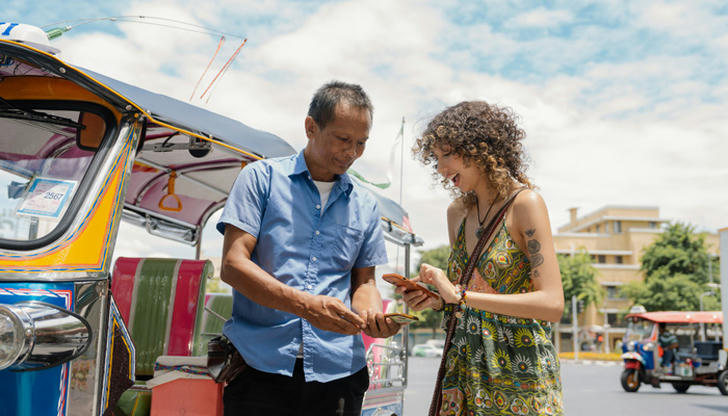
First impressions form quickly, often before a single word is spoken. Locals notice tone, body language, and pace right away. Speaking too loudly, rushing interactions, or standing too close can feel uncomfortable in cultures that value calm and personal space.
You don't need to master local customs to make a good impression. Slowing down, watching how people greet one another, and matching their energy shows awareness immediately. Effort is often read as respect.
2. Use a Few Local Words Whenever Possible
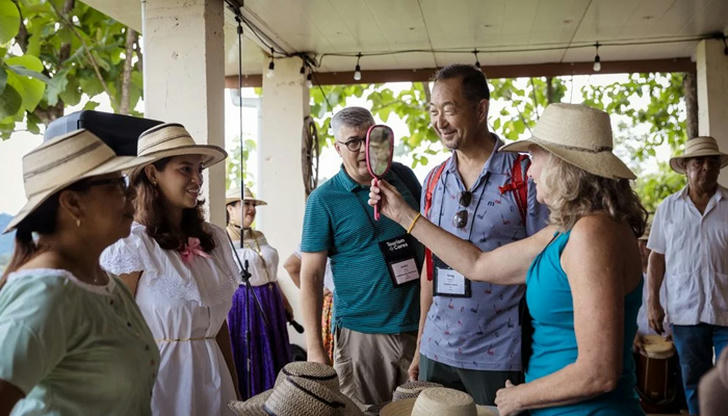
A small effort with language can change an entire interaction. Even a simple greeting in the local language signals that you see the place as more than a temporary backdrop.
A Booking.com travel behavior survey found that more than 70% of travelers felt locals responded more positively when visitors attempted to use the local language, even briefly. In countries like France or Japan, travelers often report warmer service after offering a basic greeting before switching to English.
Locals don't expect perfect pronunciation. What they value is the gesture. A few familiar words---"hello," "thank you," "excuse me"---often create goodwill that carries through the rest of the interaction.
3. Adjust Your Public Behavior to Local Norms
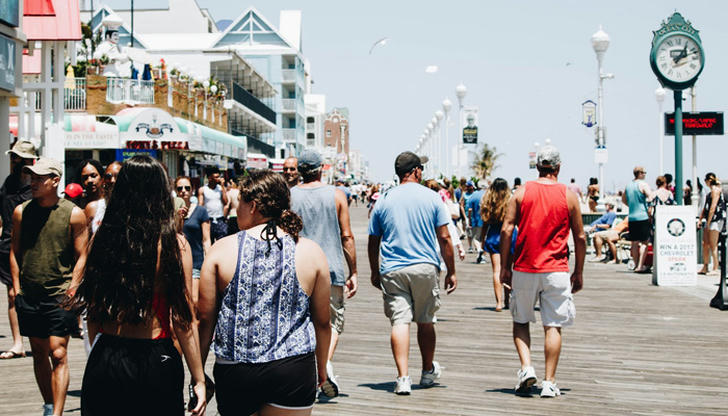
Public spaces reflect cultural expectations. In some places, quiet behavior shows consideration. In others, conversation and movement are naturally louder and more animated. Tourists often stand out when they assume their own norms apply everywhere.
Common missteps include talking loudly on public transport, blocking walkways, or focusing on phones without noticing surroundings. Observing first and acting second is one of the easiest ways to blend in. Matching local behavior usually requires less effort than trying to correct a mistake later.
4. Treat Dining Customs as a Sign of Respect
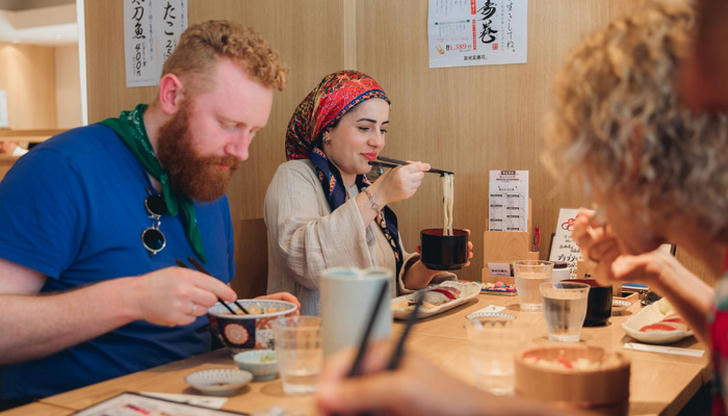
Food is rarely just about eating. It carries meaning tied to hospitality, tradition, and social roles. This is why dining customs cause so many misunderstandings.
Tipping is a clear example. In the United States, tips are expected and often make up a significant portion of a server's income, according to U.S. Department of Labor data. In Japan, guidance from the Japan Tourism Agency explains that tipping is unnecessary and may even cause confusion.
Food offers matter as well. National Geographic Travel has noted that refusing food too directly is one of the most common unintentional offenses tourists make in hospitality-focused cultures. Accepting a small portion or expressing appreciation is often more important than how much you eat.
5. Let Clothing Signal Awareness, Not Carelessness

What you wear sends a message long before you speak. In many destinations, clothing reflects awareness of local values, especially in religious or traditional settings. Tourists sometimes mistake comfort for neutrality, but locals notice the difference.
Dressing appropriately doesn't mean abandoning personal style. It means adapting when necessary. Covered shoulders, modest lengths, or simpler outfits in certain areas often lead to more respectful interactions and fewer uncomfortable moments.
6. Handle Money with Cultural Awareness

Money is practical, but how it's handled carries cultural meaning. Small payment habits can unintentionally create discomfort.
In parts of Southeast Asia, guidance from Tourism Thailand explains that placing money on a tray or counter is considered more polite than handing it directly to a cashier. Payment preferences also vary widely. A Mastercard Global Consumer Payment Study shows that while some regions rely heavily on contactless or mobile payments, others still prefer cash.
Flashing large amounts of money or counting bills openly can feel inappropriate in cultures that value financial modesty. Watching how locals pay---and following their lead---is often the simplest solution.
7. Respect Unspoken Rules on Public Transportation
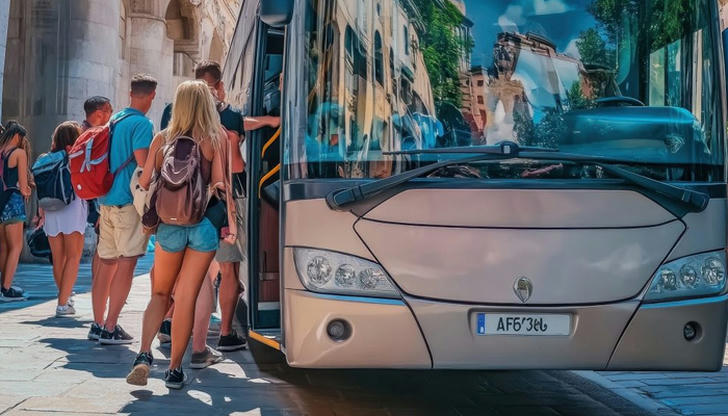
Public transportation is one of the most visible shared spaces, and locals tend to care deeply about how it functions. Queuing habits, seating expectations, and noise levels are often governed by unspoken rules.
Tourists commonly stand out by boarding too quickly, talking loudly, or ignoring exit-first customs. Following local transit behavior reduces tension and shows consideration in everyday situations that locals encounter daily.
8. Be Selective with Phones and Cameras
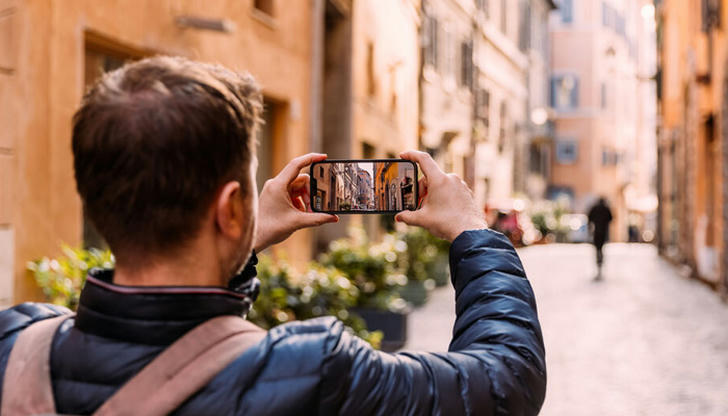
Phones and cameras change how people experience shared spaces. Taking photos of strangers, religious sites, or private moments without permission can feel intrusive, even if it's technically allowed.
Phone use matters as well. Loud calls or constant filming can disrupt places locals value for quiet or reflection. Asking permission and being mindful of context often leads to more positive reactions than any camera setting ever could.
Conclusion
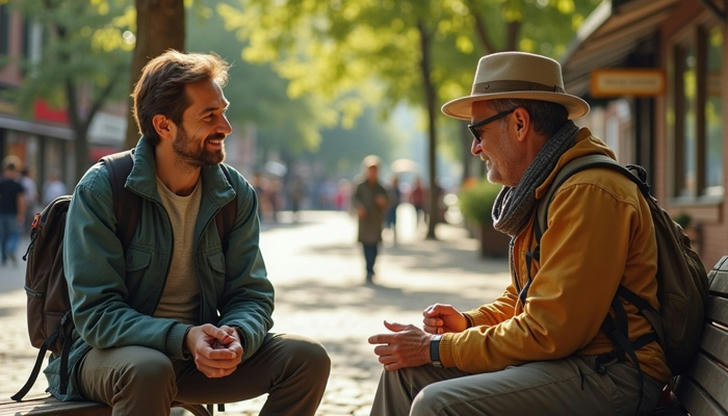
The most valuable travel advice isn't about where to go---it's about how to be there. Small habits shape your experience far more than perfect planning ever will.
By observing, adapting, and treating each place as someone else's home, you travel with respect rather than entitlement. Locals don't expect perfection. They notice effort. And that effort is what turns an ordinary trip into a genuinely memorable one.