
Before You Book That Maldives Getaway: 8 Safety Tips to Know
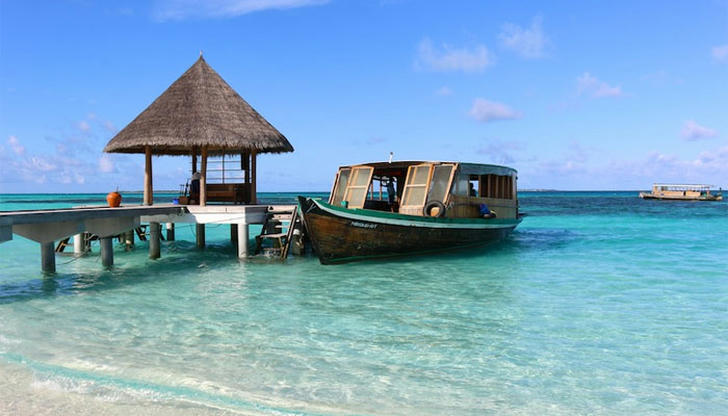
The Maldives looks like the perfect beach escape, but a little preparation can make the difference between a relaxing trip and a stressful one. From travel insurance and ocean currents to local laws and medical access, these eight tips can help you stay safe and comfortable on your getaway.
1. Check Your Travel Insurance Before You Leave
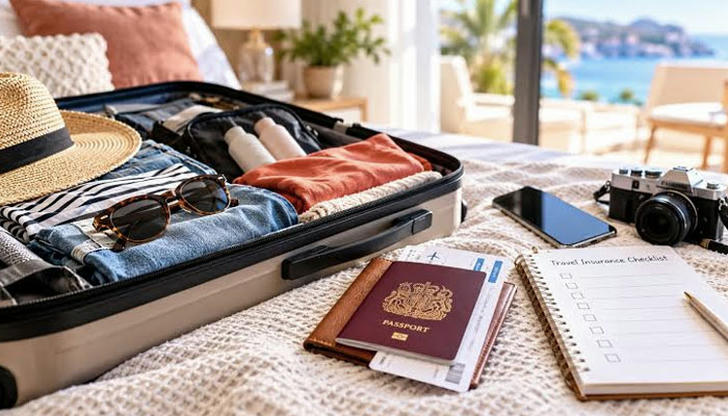
Travel insurance might not be the most exciting part of planning a beach vacation, but it can make a big difference if something goes wrong. Medical treatment on a remote island can be expensive, and getting to a larger hospital may require a boat or flight transfer.
Before purchasing a policy, check whether it covers emergency medical treatment, medical evacuation, and trip interruptions. Planning to scuba dive, snorkel, or try jet skiing? Make sure those activities are included, since some policies exclude certain water sports or require extra coverage.
Keep a copy of your policy and the insurer's emergency contact details somewhere easy to access. You don't want to be searching through old emails when you need help.
2. Never Underestimate Ocean Currents
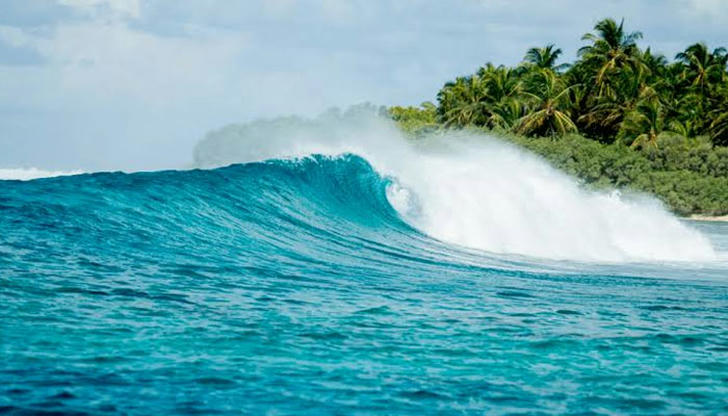
The water around the Maldives looks calm and inviting, but appearances can be misleading. Strong tidal currents and rip currents can pull swimmers away from shore, even in areas that look perfectly safe.
Before swimming or snorkeling, ask resort staff about the day's sea conditions and which areas are suitable for visitors. Stick to designated swimming zones, pay attention to warning flags, and avoid entering the water when waves or currents look unusually strong.
It's also best not to swim alone, even if you're a confident swimmer. Stay close to your travel companion and avoid going too far from shore.
3. Choose Reputable Operators for Water Activities
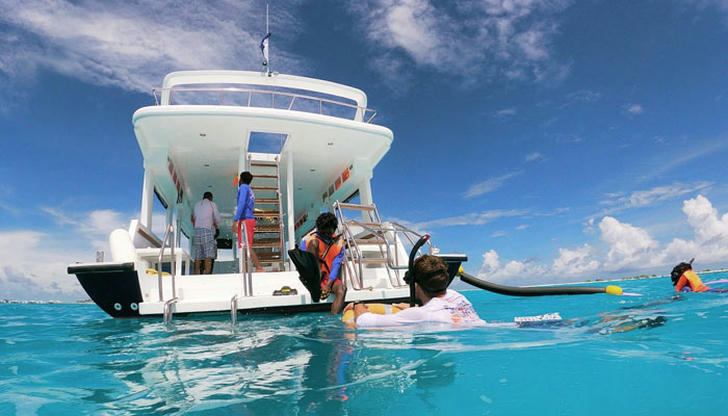
Scuba diving, dolphin cruises, snorkeling trips, and jet skiing are some of the biggest attractions in the Maldives. However, not every tour operator offers the same level of safety.
Before booking an activity, check whether the operator is licensed and has qualified guides or instructors. Ask what safety equipment is provided and whether life jackets are available. For boat excursions, pay attention to the safety briefing and make sure you know where the emergency equipment is kept.
If you're planning to scuba dive, be honest about your experience and certification level. Never feel pressured to join a dive that seems beyond your ability. Also, remember that diving accidents can require specialized treatment. Some resort islands are more than an hour away from the nearest hyperbaric chamber, so it's worth asking how an operator handles diving emergencies.
4. Protect Yourself From the Sun and Dehydration
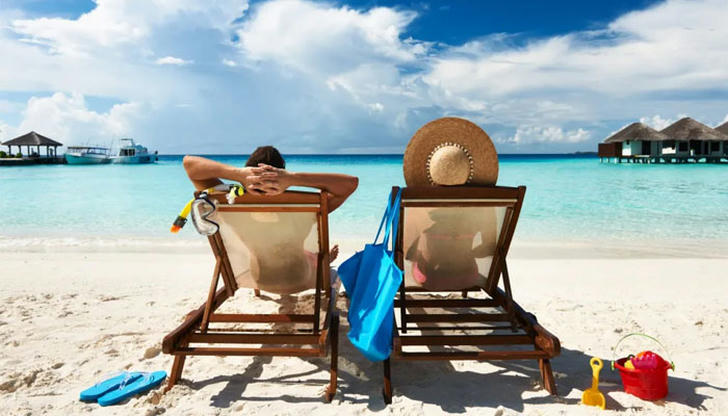
Spending hours on a tropical beach sounds relaxing until you end up with painful sunburn or a headache from the heat. The sun can be intense in the Maldives, and swimming may make it easy to lose track of how long you've been outside.
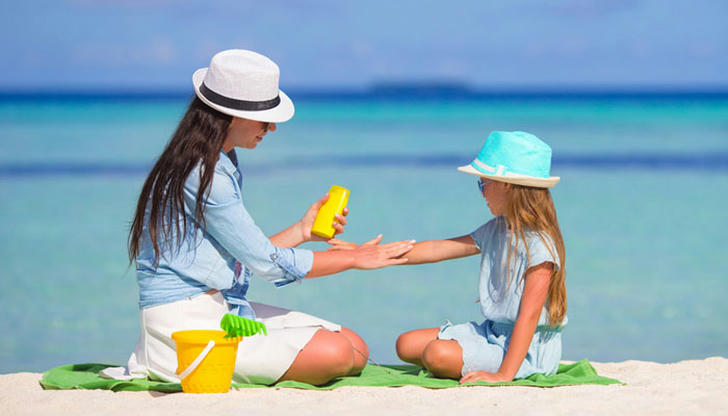
Apply broad-spectrum sunscreen before heading outdoors and reapply it regularly, especially after swimming or sweating. A wide-brimmed hat, sunglasses, and lightweight clothing can provide extra protection.
Drink water throughout the day rather than waiting until you feel thirsty. Try to take breaks in the shade during the hottest hours, particularly if you're taking part in outdoor activities. Dizziness, nausea, unusual tiredness, and heavy sweating can be warning signs of heat exhaustion. Don't brush them off as ordinary vacation fatigue.
5. Be Careful With Drinking Water, Food, and Mosquitoes
A stomach problem can quickly turn a relaxing vacation into a miserable one. To reduce your chances of getting sick, choose bottled water with an intact seal or water that has been properly treated. Be cautious with ice if you aren't sure where the water came from.
Fresh seafood is tempting, but make sure it is properly cooked. Avoid raw or undercooked food from places where food handling and storage are uncertain.
Mosquitoes are another concern. Diseases such as dengue occur in the Maldives, so bring an effective insect repellent and use it regularly. Lightweight, long-sleeved clothing can also help, especially around dawn and dusk. If you develop a fever or feel unusually unwell during or after your trip, seek medical advice rather than assuming it's just a minor bug.
6. Learn the Local Laws and Dress Expectations
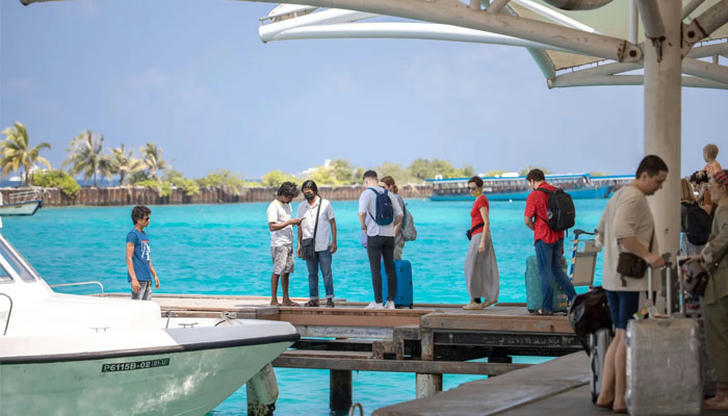
The Maldives is a Muslim-majority country, and some rules may be different from what you're used to at home. Knowing them in advance can help you avoid uncomfortable situations or legal trouble.
On resort islands, visitors generally have more freedom in their beachwear. However, when visiting local inhabited islands, dress more modestly. Covering your shoulders and upper legs is a sensible choice, particularly near mosques and other public areas. Bikinis should be worn only on designated bikini beaches or in permitted resort areas.
Alcohol is generally available at licensed resorts, but public drinking outside those settings is not allowed. Avoid bringing prohibited drugs or controlled substances into the country, even if they are legal where you live. If you need prescription medication, check the local rules before packing it.
7. Stay Alert During Boat Transfers and Protect Your Belongings
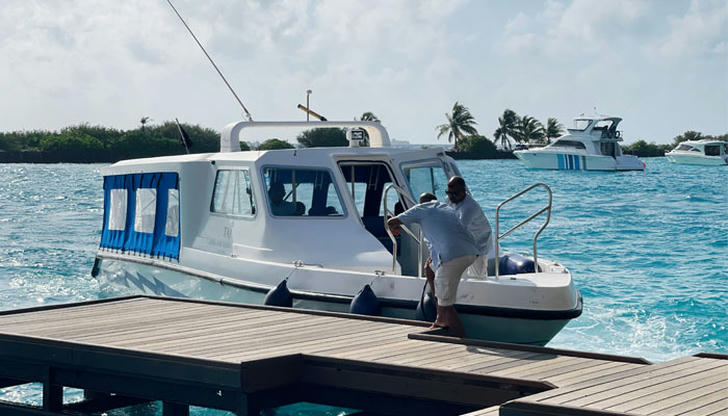
Getting between islands is part of the Maldives experience. Depending on where you're staying, you may travel by speedboat, domestic flight, or seaplane. These transfers are often arranged by your resort, but that doesn't mean you should ignore basic safety precautions.
Listen to the crew's instructions, wear a life jacket when provided or required, and avoid standing or moving around while a boat is underway. If the weather turns rough, follow the operator's advice rather than insisting on going out.
It's also worth keeping an eye on your belongings. Don't leave your phone, wallet, or passport unattended on the beach, even at a resort. Store valuables in your room safe when possible, and carry only what you need for a day trip.
8. Know Where to Get Medical Help
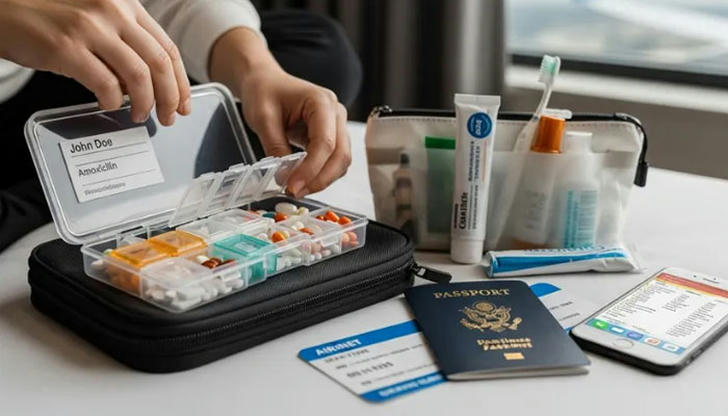
One thing many travelers overlook is how far their resort may be from a fully equipped hospital. While some resorts have on-site clinics or medical staff, more serious conditions may require a transfer to Male or Hulhumale.
Before your trip, ask your resort what medical services are available and how emergencies are handled. Find out whether a doctor is on call and how long it might take to arrange transportation to a hospital.
Pack enough prescription medication for your stay, ideally in its original packaging, and keep it in your carry-on luggage. Save your resort's contact number, your travel insurer's emergency line, and local emergency numbers on your phone. If you have a medical condition that may require special care, discuss your travel plans with your doctor before departure.