
8 Travel Tips Every First-Time International Traveler Should Know
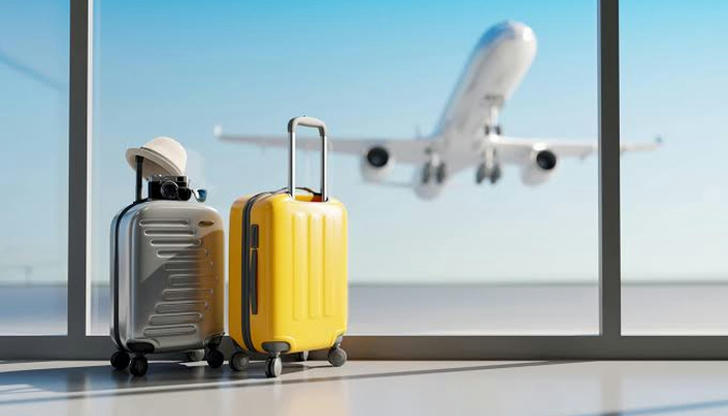
International travel can be one of the most exciting experiences in life, but traveling to another country for the first time can also bring unexpected challenges. A little preparation before leaving can help you avoid stress and enjoy your journey with more confidence. From checking documents to packing smart, these simple travel tips can make your first overseas adventure smoother and more enjoyable.
1. Check Documents
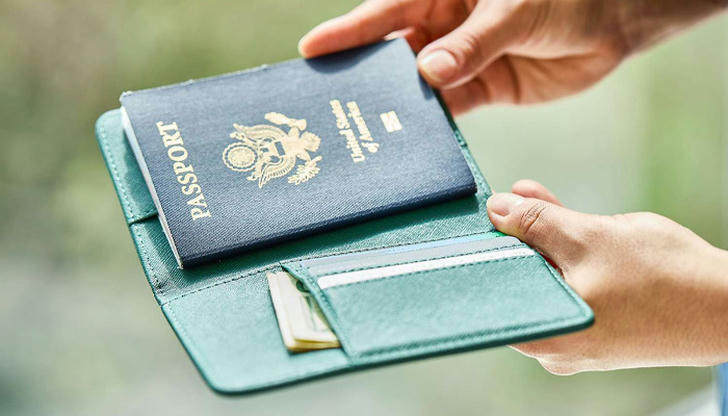
Before booking your flight or heading to the airport, make sure all your travel documents are ready. Your passport should be valid for your entire trip, and many countries require it to remain valid for several months after your arrival date.
Depending on your destination, you may also need a visa, travel authorization, or other entry documents. Requirements can vary greatly between countries, so always check official travel information before departure.
It is also smart to keep copies of important documents, including your passport, visa, flight details, hotel reservations, and travel insurance information. Save digital copies on your phone or a secure online account so you can access them if something gets lost.
A few minutes of preparation before your trip can prevent major problems later.
2. Research Ahead
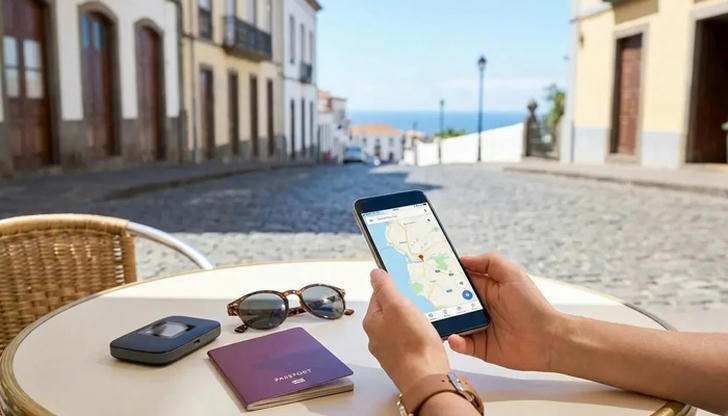
A successful international trip usually starts before you leave home. Learning about your destination can help you feel more comfortable and avoid common mistakes.
Before traveling, take some time to understand the local weather, transportation options, currency, customs, and basic rules. Knowing what to expect can make everyday decisions easier, such as choosing what clothes to pack or how to get from the airport to your hotel.
It is also helpful to save important information before your trip. Download maps, note your hotel address, and keep emergency contact numbers available. Internet access is not always guaranteed when you first arrive in a new country, so having offline information can be very useful.
3. Plan Your Money

Managing money in another country can be confusing for first-time travelers. Before your departure, check what currency is used at your destination and learn the approximate exchange rate.
Do not depend on only one payment method. Carry a combination of options, such as a credit card, debit card, and a small amount of local cash. Some small businesses or transportation services may not accept cards, while some travelers may experience issues with their bank cards abroad.
Remember to notify your bank before traveling internationally. This can help prevent your card from being blocked because of unusual overseas activity.
It is also worth learning where you can safely exchange money. Airport exchange counters are convenient but may not always offer the best rates.
4. Pack Smarter
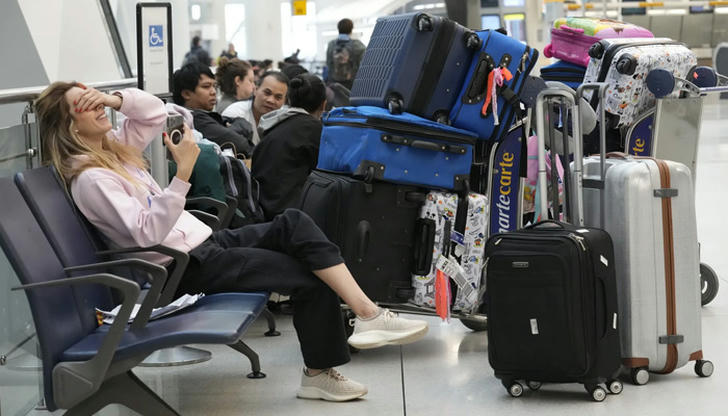
Many first-time international travelers make the mistake of bringing too much. A heavy suitcase can make airports, trains, and hotel transfers much more difficult.
Instead of packing for every possible situation, focus on items you will actually use. Choose comfortable clothing that matches the weather and activities planned for your trip. Important items often include travel adapters, chargers, personal care products, and any necessary medications.
Leaving some extra space in your luggage is also a good idea. You may want to bring home souvenirs, gifts, or local products.
A well-packed bag is not about having everything---it is about having the right things.
5. Prepare Your Phone

Staying connected while traveling can make your trip much easier. Before leaving, check how your phone will work overseas and understand your options for internet access.
Depending on your destination and phone plan, you may use international roaming, a local SIM card, or an eSIM service. Having reliable internet access helps with navigation, translation, transportation apps, and contacting family members.
Before your flight, download useful apps that you may need, such as translation tools, offline maps, and currency converters. These apps can save time when you are unfamiliar with your surroundings.
A small technology check before departure can prevent many communication problems during your trip.
6. Learn Local Basics

You do not need to become fluent in another language before traveling, but learning a few basic phrases can make your experience much better.
Simple words like "hello," "thank you," "please," and "where is..." can help you communicate with local people. Many travelers find that even a small effort to use the local language creates more positive interactions.
Understanding local customs is equally important. Different countries may have different expectations about greetings, dining habits, tipping, or public behavior.
Showing respect for local traditions can help you connect with the culture and make your trip more enjoyable.
7. Know Airport Steps
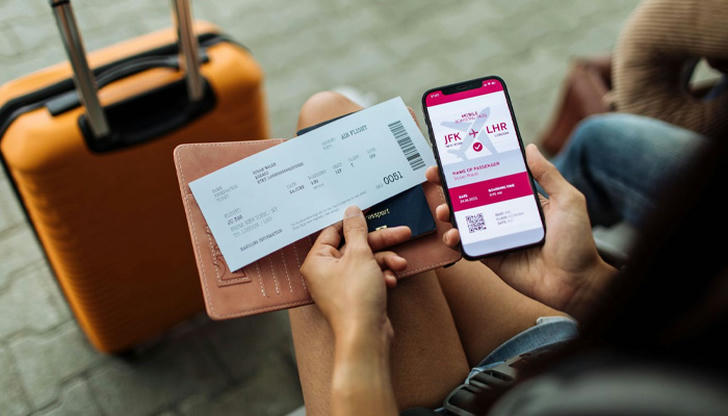
International airports can feel overwhelming because there are usually more steps than domestic travel. Knowing the process ahead of time can reduce stress.
Most international trips involve several stages, including check-in, baggage drop-off, security screening, immigration, boarding, and baggage claim after arrival.
Arrive early, especially for your first international flight. Extra time allows you to handle unexpected situations, find your gate, and complete required procedures without rushing.
Keep your passport, boarding pass, and essential travel items somewhere easy to reach. Searching through a packed bag at every checkpoint can slow you down.
8. Expect Changes
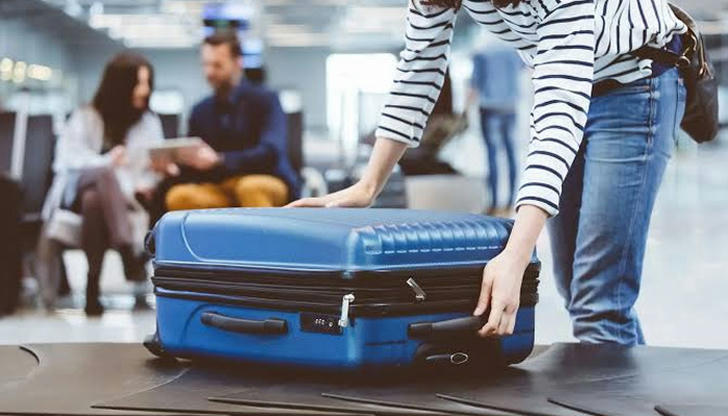
Even the best-planned trips do not always go exactly as expected. Flights may be delayed, luggage may be misplaced, or weather conditions may change your plans.
Preparing for unexpected situations can help you stay calm. Keep important phone numbers available, bring essential items in your carry-on bag, and consider travel insurance for additional protection.
A flexible mindset is one of the most valuable travel skills. Small problems do not have to ruin your trip if you are prepared to handle them.
International travel is about discovering new places, meeting different people, and creating memorable experiences. With the right preparation, your first overseas adventure can become a confident and enjoyable journey.
Before your next international trip, review these tips, prepare carefully, and start your adventure with greater peace of mind.