
Things Airlines Don't Clearly Tell You (But Expect You to Know)

Airlines love to say their rules are "available online." What they don't say is that those rules are often buried in fine print, written in legal language, or quietly applied only when it benefits them. If you've ever felt confused, rushed, or pressured at an airport counter, you're not alone.
The truth is this: airlines expect passengers to notice small details, follow unwritten rules, and make fast decisions under stress---without clearly explaining the consequences. Knowing a few of these hidden realities can save you money, time, and a lot of frustration.
Here are some things airlines don't clearly tell you---but absolutely expect you to know.
1. A Flight Delay Can Change Your Rights---But Only If You Act Fast
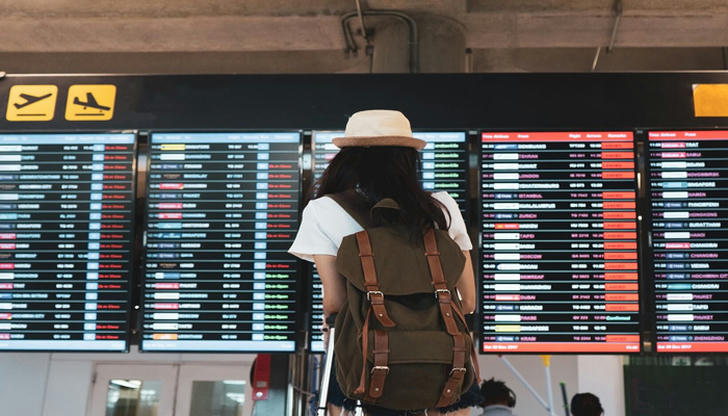
When your flight is delayed, the airline may offer a quick fix: a meal voucher, a seat on the next flight, or a travel credit. What they don't explain is that accepting the first offer can limit what you're entitled to later.
In many cases, compensation options expand after longer delays or cancellations. However, once you accept a voucher or rebooking, you may be considered "resolved" in the system. That makes it harder to ask for hotel accommodation, meals, or alternative flights afterward.
What to do: Ask what other options are available before accepting anything. Even a simple "Are there additional accommodations if the delay gets longer?" can keep doors open.
2. Seat Upgrades Are Often Cheaper After Check-In

Airlines rarely advertise this, but paid seat upgrades---especially to extra legroom or premium economy---often drop in price after online check-in opens.
At booking, upgrades are priced high because airlines are testing what people will pay. Once the plane starts filling, unsold premium seats become a liability. That's when prices quietly drop.
What to do: If you're willing to gamble, wait until check-in or even the airport kiosk to check upgrade prices. You might pay far less than you would have weeks earlier.
3. Changing Flights at the "Wrong" Time Can Cost You More

Airlines operate on local time rules, and fare systems reset overnight. Changing or canceling a flight late at night---especially close to midnight---can sometimes push your request into a new fare day, triggering higher prices or stricter rules.
This isn't obvious, and agents won't warn you.
What to do: If your flight isn't urgent, consider making changes earlier in the day. If you're close to midnight, ask whether waiting until morning affects your fare options.
4. Airline Vouchers Are Not Always the Best Choice

When things go wrong, vouchers are easy to accept because they feel like "free money." But vouchers often come with restrictions: expiration dates, limited routes, blackout periods, or non-transferability.
In some cases---especially with long delays or cancellations---you may be eligible for a refund or cash compensation instead. Airlines won't volunteer that unless asked.
What to do: Before accepting a voucher, ask: "Is a refund or cash option available?" Even if the answer is no, you've clarified your options.
5. Your Boarding Group Matters More Than Your Seat
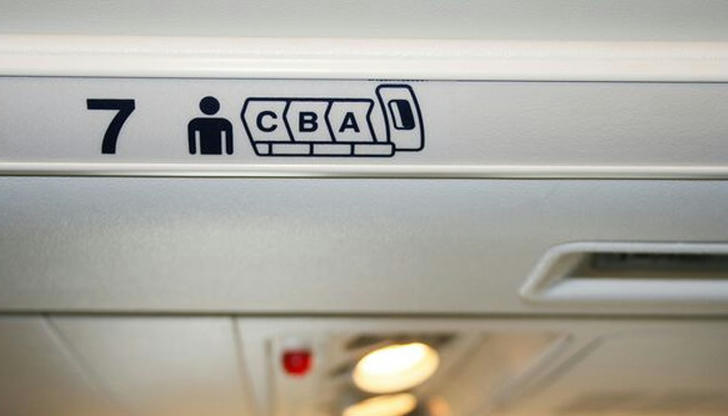
Many passengers assume seat number determines boarding convenience. In reality, boarding group controls overhead bin access, and airlines know it.
Late boarding groups often mean no space for carry-ons, forcing gate-checking---even when you packed correctly. This is why airlines sell early boarding as an "add-on."
What to do: If keeping your carry-on with you matters, consider boarding position when choosing a fare. Sometimes paying slightly more upfront avoids stress later.
6. The App Isn't Always Your Best Proof
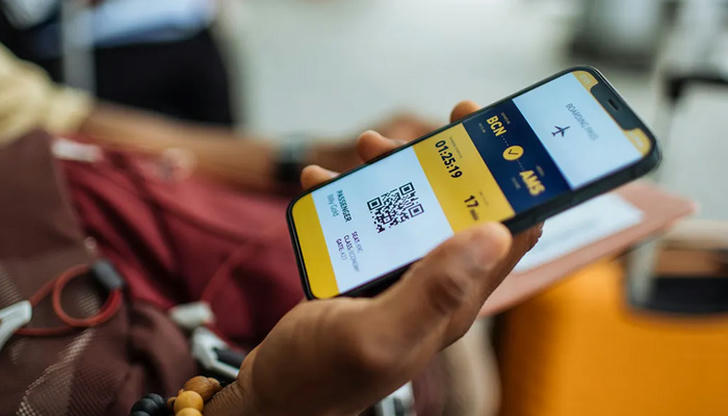
Airlines push apps for everything, but when something goes wrong, screenshots beat apps.
Boarding passes disappear, gate numbers change, and delay notifications update automatically. If you need to argue your case later, having screenshots of original times, seat assignments, or confirmation numbers can make a real difference.
What to do: Screenshot your booking confirmation, boarding pass, and any delay notifications before traveling.
7. Rebooking Yourself Can Be Faster Than Waiting in Line
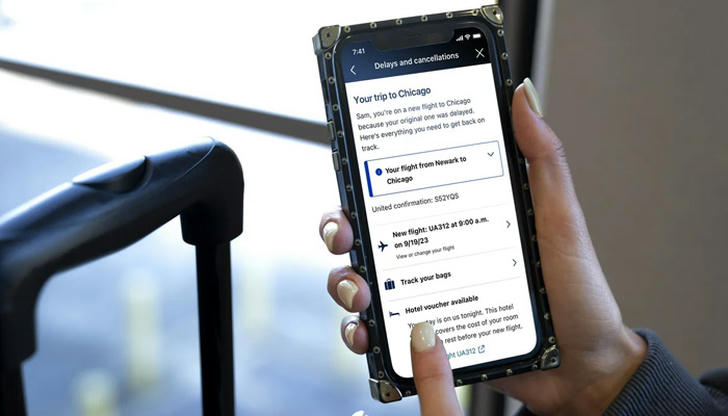
During mass delays or cancellations, airline counters become chaos. What airlines don't say is that online rebooking tools often work faster than human agents, especially during disruptions.
Many systems allow you to rebook before you even reach the counter---sometimes onto flights agents haven't offered yet.
What to do: As soon as a disruption is announced, open the airline app or website and explore alternatives immediately.
8. Paying in Your Home Currency Is Often a Trap
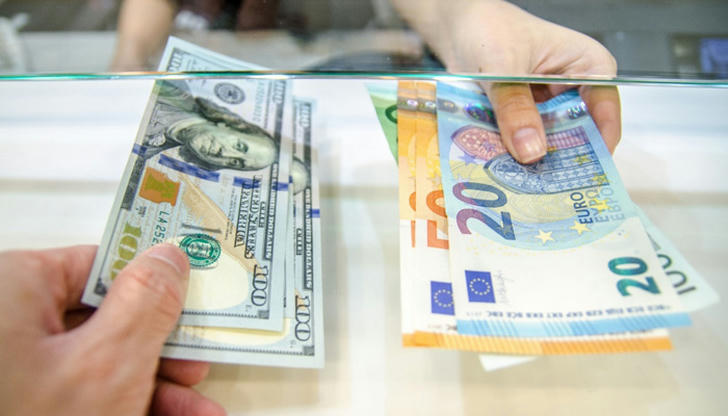
At international airports or onboard flights, you may be asked whether you want to pay in your home currency or the local one. Paying in your home currency sounds safer---but it usually includes poor exchange rates and hidden fees.
This practice, called dynamic currency conversion, benefits the merchant, not you.
What to do: When given the choice, pay in the local currency and let your bank handle the conversion.
9. "Basic Economy" Isn't Just Cheaper---It's Stricter
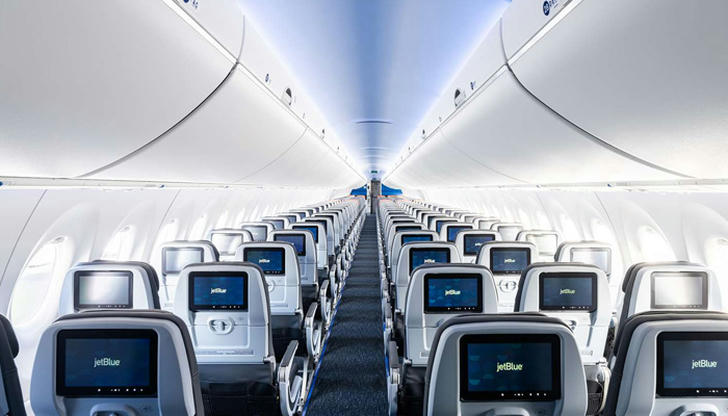
Basic economy fares look appealing, but airlines rarely highlight how restrictive they are. No seat selection, last boarding groups, limited carry-ons, and zero flexibility are common.
The surprise comes later---when changing or canceling becomes impossible or expensive.
What to do: Always check what's excluded before buying the cheapest fare. Sometimes the next tier up is worth it just for flexibility.
10. Airlines Expect You to Know the Rules---Even If You've Never Flown Before
Perhaps the most important truth: airlines assume passengers understand fare classes, boarding rules, baggage limits, and compensation policies. When something goes wrong, confusion often works in their favor.
But a little awareness goes a long way.
The bottom line: You don't need to be a frequent flyer to travel smart. You just need to know where airlines stay quiet---and when to ask the right questions.
The next time something feels unclear at the airport, pause before agreeing. Chances are, there's more to the story than you're being told.