
Before You Book: The Travel Fees Nobody Tells You About

Traveling can be one of life's greatest joys, but it can also surprise you with unexpected expenses. A flight that seemed affordable or a hotel that looked like a bargain may come with a hidden price tag you didn't anticipate. Knowing which travel fees are commonly overlooked can save you both money and frustration. In this guide, we'll highlight the usual culprits and, more importantly, provide practical tips to help you spot and avoid these hidden costs before you hit "book."
1. Common Hidden Travel Fees

Even experienced travelers occasionally get caught off guard by fees that aren't obvious upfront. Here's a brief overview of the most frequent ones:
- Airlines: Fees for checked or carry-on bags, preferred seating, booking by certain credit cards, or printing boarding passes at the airport.
- Hotels: Resort fees, early check-in or late check-out charges, parking fees, and sometimes even internet access fees.
- Transportation: Rental car insurance add-ons, GPS rentals, tolls, and extra driver charges.
- Booking Platforms: Third-party websites may tack on service fees, currency conversion fees, or stricter cancellation policies.
While knowing these categories is helpful, the real savings come from understanding how to identify and avoid them.
2. Check the Fine Print

Before you even type your payment details, take a moment to read the terms carefully. Airlines and hotels often bury extra charges in sections titled "optional services" or "additional fees." For example, a flight may appear to be $150, but once you select a seat and check a bag, the total can rise by $50 or more. Hotels sometimes advertise a low nightly rate, only to add $25 per night in resort fees. Skimming the fine print is a recipe for surprise bills.
Pro tip: Look for phrases like "per person," "per night," or "subject to additional charges." They are usually red flags that the advertised rate isn't the full cost.
3. Compare Total Costs, Not Just Base Prices

It's tempting to click the first low-cost option, but the cheapest base price rarely tells the full story. Always calculate the total cost by adding all potential fees, including baggage, seat selection, resort fees, parking, and taxes. Some comparison websites display these hidden costs more clearly than others, so double-check across multiple sources.
Consider this scenario: A $120 flight with a $30 checked bag fee may actually cost $150, while a competitor's $140 flight includes one checked bag and free seat selection. That $140 option may be the better deal overall, even though the sticker price is higher.
4. Use Official Sources Whenever Possible
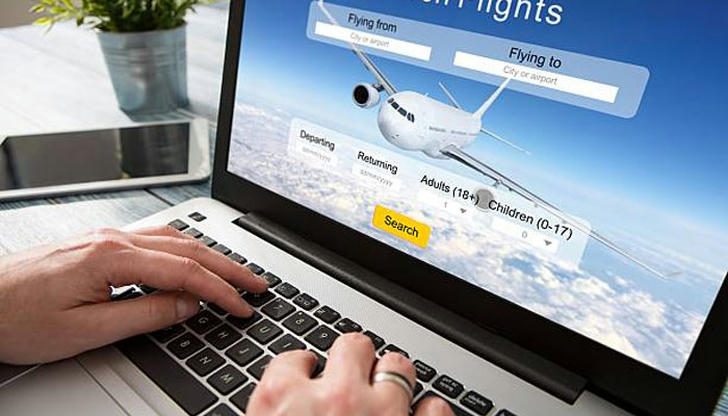
Booking directly through airlines or hotel websites often gives you clearer insight into potential fees. Third-party platforms can be convenient, but they sometimes hide surcharges or make cancellation policies stricter. By going straight to the source, you'll usually see a more accurate breakdown of what you'll actually pay.
Interactive tip: Some airlines will even offer a fee estimator during booking. Input your luggage, seating, and other preferences to see your final total before you confirm.
5. Mind Your Payment Method

Believe it or not, the way you pay can affect hidden charges. Certain credit cards or payment platforms may trigger processing fees, foreign transaction fees, or currency conversion costs. For international trips, these charges can add up quickly.
- Tip: Check if the airline or hotel imposes a surcharge for using a specific card.
- Alternative: Use a credit card with no foreign transaction fees or one that offers travel perks to offset small surcharges.
6. Timing Can Influence Fees

Some hidden costs fluctuate depending on when you book. Early bookings may come with lower fees, while last-minute reservations sometimes include premium charges. Even seat selection on planes can increase closer to the departure date.
- Example: If you wait until the week of your flight to select seats, airlines may charge more than they would a month in advance.
- Strategy: Plan ahead for optional services like checked bags or airport transfers. Booking early often locks in lower fees.
7. Real-Life Examples

Consider Jane, who booked a three-night stay at a beachfront hotel advertised at $150 per night. She didn't notice the $20 resort fee per night and a $15 daily parking fee. By the time she arrived, her $450 stay had grown to $615---a 37% increase. If she had read the fine print and calculated total costs ahead of time, she could have chosen a different property or budgeted accordingly.
Similarly, Mark booked a budget airline flight for $100, assuming one carry-on was free. At the gate, he realized the airline counted a "personal item" differently and charged $35 extra. A simple check of the airline's baggage policy would have prevented the surprise.
Conclusion

By being proactive and taking a few extra minutes to review potential charges, you can avoid the frustration of unexpected travel expenses. Hidden fees don't have to derail your budget or your trip. Whether it's a flight, hotel, rental car, or tour, a little preparation goes a long way. Always double-check, calculate the total cost, and plan ahead---you'll arrive ready to enjoy your adventure without worrying about surprise bills.