
10 Hotel Booking Mistakes That Could Cost You Extra Money

Booking a hotel should be exciting, not an expensive guessing game. Yet a room that looks like a bargain can quickly become a budget headache once extra fees, inconvenient locations, or restrictive policies come into play.
The good news? Many of these costs are avoidable. Whether you're planning a weekend getaway or a long-awaited vacation, knowing these 10 common hotel booking mistakes can help you spend less on your stay and more on the experiences that matter.
1. Booking Without Comparing Hotel Prices
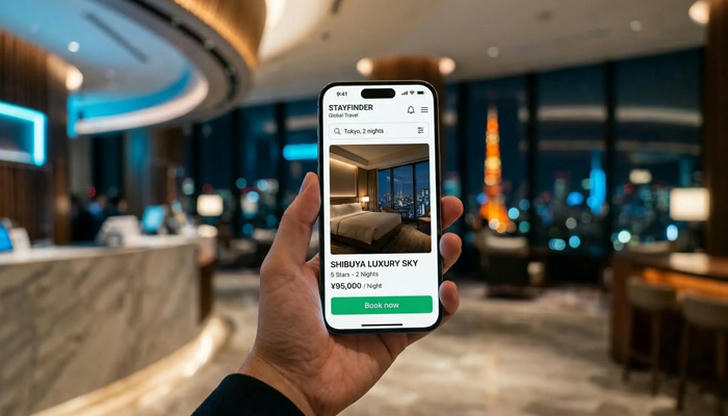
Found a great-looking hotel deal? Don't click "Book Now" just yet.
The same room can have different prices depending on where you book. Travel websites may offer special promotions, while hotels sometimes provide exclusive rates for direct reservations.
Before making a decision, compare at least three options, including the hotel's official website. Pay attention to room types, cancellation terms, and included amenities.
Smart tip: Compare the total price for your entire stay, not just the nightly rate. A seemingly cheaper room may cost more after additional charges.
2. Ignoring Hidden Hotel Fees

That $120 hotel room might not actually cost $120.
Some properties charge resort fees, destination fees, parking fees, or additional amounts for certain amenities. These expenses can make an affordable stay surprisingly expensive.
For example, a hotel charging $30 per night in mandatory fees adds $120 to a four-night vacation.
Before confirming your reservation, look for:
- Resort or destination fees
- Parking charges
- Extra guest fees
- Optional breakfast or amenity charges
Smart tip: Review the full booking summary and contact the hotel if any charges are unclear.
3. Choosing a Non-Refundable Rate Too Quickly

Non-refundable hotel rooms often look appealing because they're cheaper upfront. But what happens if your flight changes or a family emergency forces you to cancel?
You could lose the entire reservation cost.
Imagine saving $25 by choosing a non-refundable room, only to lose $400 when your plans unexpectedly change.
A flexible reservation may cost slightly more, but it can provide valuable peace of mind.
Smart tip: If your travel plans aren't completely certain, compare refundable options before choosing the lowest advertised price.
4. Booking at the Wrong Time

Hotel prices aren't fixed. They can change based on local events, holidays, seasonal demand, and room availability.
Booking too late during a popular festival could mean paying premium rates. However, reserving too early without comparing alternatives might also cause you to miss a better offer.
There's no universally perfect day to book a hotel.
Instead, try these simple strategies:
- Compare prices across several dates.
- Check whether shifting your stay by one day reduces costs.
- Set price alerts when available.
- Consider refundable rates that allow you to rebook if prices drop.
A little flexibility can sometimes make a noticeable difference.
5. Overlooking the Hotel's Location

A hotel outside the city center might save you $40 per night. Sounds wonderful, right?
Not necessarily.
If you spend $25 each way on transportation, that cheaper room could actually cost more.
Location affects more than convenience. It influences transportation expenses, parking costs, and how much time you spend traveling between attractions.
Before booking, check the hotel's distance from the places you plan to visit. Look at public transportation options, parking availability, and nearby restaurants.
Smart tip: Calculate your estimated accommodation and transportation costs together. The cheapest room isn't always the cheapest stay.
6. Skipping Recent Guest Reviews

Beautiful hotel photographs don't always tell the whole story.
A property might advertise spacious rooms and peaceful surroundings, while recent guests describe noisy construction, outdated facilities, or unexpected charges.
Instead of relying entirely on star ratings, read reviews from the past few months.
Look for repeated comments about cleanliness, customer service, maintenance, and billing problems.
One negative review shouldn't automatically change your mind. But when several travelers report the same issue, it's worth investigating.
Reviews mentioning unexpected fees are especially useful when you're trying to avoid unnecessary expenses.
7. Forgetting to Read the Cancellation Policy

Two rooms at the same hotel may have completely different cancellation rules.
One reservation might allow free cancellation until the day before arrival. Another could require several days' notice or charge a penalty.
Missing the cancellation deadline by just a few hours can be costly.
Also, watch for no-show charges and early departure policies. Some hotels may charge additional amounts if you leave earlier than planned.
Smart tip: Save your confirmation email and mark the cancellation deadline on your calendar. Always check which time zone applies.
8. Missing Out on Loyalty Programs and Member Discounts

You don't necessarily need to travel frequently to benefit from hotel loyalty programs.
Many hotel chains offer free membership, and some provide discounted room rates, complimentary Wi-Fi, or other perks to members.
Depending on the property and membership level, benefits may include late checkout or room upgrades.
Before booking, check whether joining a free program unlocks a better deal.
However, don't assume a member rate is automatically the lowest available. Compare it with other offers, including the final price and cancellation conditions.
A few minutes of research could reveal savings you might otherwise overlook.
9. Paying for Extras You Won't Actually Use

Hotel packages can sound tempting.
Free breakfast! Premium amenities! Upgraded rooms!
But are those extras really worth paying for?
Suppose a breakfast package adds $25 per person each day, while a nearby cafe offers breakfast for considerably less. For two travelers staying four nights, that difference could add up quickly.
The same applies to parking packages, premium rooms, and other optional services.
10. Not Double-Checking Your Reservation Details

Sometimes the most expensive hotel booking mistake is also the simplest.
An incorrect arrival date, wrong room type, or inaccurate guest count can create unexpected problems at check-in.
Imagine arriving after a long flight only to discover your reservation starts tomorrow.
Before submitting payment, verify your travel dates, hotel address, number of guests, bed preferences, and room selection.
After booking, read the confirmation email carefully.
If anything looks incorrect, contact the hotel or booking provider immediately. Correcting an error early is usually easier than dealing with it upon arrival.
Final Thoughts: Book Smarter, Travel Happier

A great hotel deal isn't simply about finding the lowest nightly rate. It's about understanding what you're paying for and avoiding unnecessary expenses.
By comparing prices, reviewing policies, checking locations, and paying attention to hidden fees, you can make more confident booking decisions.
Before your next trip, spend a few extra minutes reviewing your reservation. Those small steps could leave more money in your travel budget for memorable experiences instead of unexpected hotel charges.